
German Rabbit Stew Hasenpfeffer Recipe
Introduction
Hasenpfeffer is a traditional German rabbit stew known for its rich, tangy flavor and tender meat. Marinated in red wine and aromatic herbs, this hearty dish is perfect for cozy dinners and special occasions. Let’s dive into making this classic comfort food.
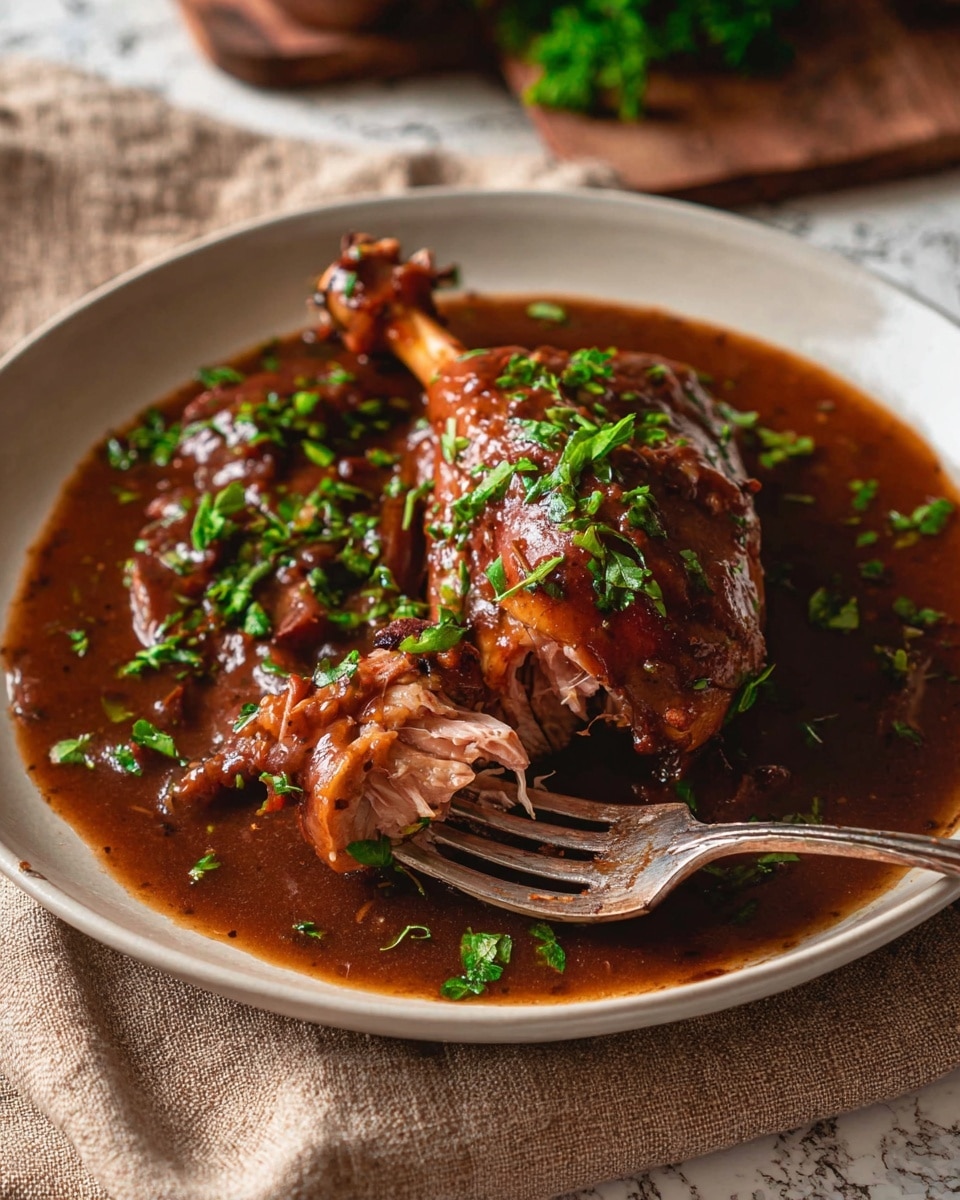
Ingredients
- 1 rabbit cut into serving pieces and salted
- 2 cups red wine (for marinade)
- 2 cups water (for marinade)
- 2 bay leaves (for marinade)
- 1 sprig fresh rosemary or 1 teaspoon dried rosemary (for marinade)
- 2 sprigs fresh thyme or 1 teaspoon dried thyme (for marinade)
- 5 whole juniper berries crushed (for marinade)
- 1 teaspoon black peppercorns crushed (for marinade)
- 1 teaspoon salt (for marinade)
- 4 slices bacon diced finely
- 2 large onions diced finely
- 3 cloves garlic minced
- 2 cups beef or chicken stock
- 1 cup red wine from the marinade
- ¼ cup red wine vinegar
- ½ cup all-purpose flour for dredging
- 2 tablespoons flour for roux
- 1 tablespoon tomato paste
- 2 bay leaves (for stew)
- 1 sprig fresh rosemary or 1 teaspoon dried rosemary (for stew)
- 2 sprigs fresh thyme or 1 teaspoon dried thyme (for stew)
- Salt and pepper to taste
- Fresh parsley chopped (for garnish)
Instructions
- Step 1: Prepare the marinade by combining red wine, water, bay leaves, rosemary, thyme, crushed juniper berries, black peppercorns, and salt in a large bowl or container.
- Step 2: Add the rabbit pieces to the marinade, ensuring they are fully submerged. Cover and refrigerate for 1 to 3 days, turning occasionally. Use 3 days for older or wild rabbits; 24 hours is sufficient for younger ones.
- Step 3: Remove the rabbit from the marinade and pat dry. Strain the marinade, reserving 1 cup, and discard the rest.
- Step 4: Season the rabbit with salt and black pepper, then lightly coat with ½ cup flour, shaking off any excess.
- Step 5: In a large pot or Dutch oven, cook the diced bacon over medium heat until crisp. Remove with a slotted spoon and set aside, leaving the fat in the pot.
- Step 6: Increase heat to medium-high and brown the floured rabbit pieces on all sides. Remove and set aside.
- Step 7: In the same pot, cook the onions until softened and translucent, about 5–7 minutes. Add minced garlic and cook an additional 1–2 minutes, stirring frequently.
- Step 8: Sprinkle 2 tablespoons flour over the onions and garlic to make a roux. Stir constantly and cook for 2–3 minutes until lightly browned.
- Step 9: Stir in tomato paste, then gradually add stock, reserved marinade, and red wine vinegar, stirring constantly to avoid lumps.
- Step 10: Return rabbit and bacon to the pot. Add bay leaves, rosemary, thyme, and season with salt and pepper.
- Step 11: Bring the stew to a boil, then reduce heat to low, cover, and simmer for 1½ to 2 hours until rabbit is tender and flavors meld.
- Step 12: Taste and adjust seasoning as needed. Remove bay leaves and herb sprigs before serving.
- Step 13: Garnish with chopped parsley and serve hot with boiled potatoes, egg noodles, or spaetzle.
Tips & Variations
- For a richer flavor, use a mix of beef and chicken stock or add a splash of brandy near the end of cooking.
- If you can’t find juniper berries, substitute with a small amount of crushed allspice for a similar aromatic effect.
- Marinating longer improves tenderness and depth of flavor, especially for older or wild rabbits.
- Serve with traditional German sides like spaetzle or red cabbage for an authentic meal.
Storage
Store leftover hasenpfeffer in an airtight container in the refrigerator for up to 3 days. Reheat gently on the stove over low heat to preserve tenderness and prevent the sauce from reducing too much. This stew also freezes well for up to 2 months; thaw in the refrigerator before reheating.
How to Serve

Serve this delicious recipe with your favorite sides.
FAQs
Can I use chicken instead of rabbit?
Yes, you can substitute chicken thighs for rabbit. Adjust cooking time accordingly, as chicken will cook faster than rabbit.
Do I have to marinate the rabbit for 3 days?
Marinating for 1 to 3 days is recommended to tenderize the meat and develop the flavors. Young rabbits can be marinated for 24 hours, while older or wild rabbits benefit from longer marination.
PrintGerman Rabbit Stew Hasenpfeffer Recipe

Traditional German Hasenpfeffer is a rich and hearty rabbit stew marinated in red wine and herbs, then slow-simmered with bacon, onions, and a flavorful roux to create a deeply aromatic and tender dish, perfect for cozy meals.
- Prep Time: 15 minutes (plus 24-72 hours marinating time)
- Cook Time: 2 hours 15 minutes
- Total Time: 2 hours 30 minutes plus marinating time
- Yield: 4 to 6 servings 1x
- Category: Stew
- Method: Stovetop
- Cuisine: German
Ingredients
Rabbit and Marinade
- 1 rabbit cut into serving pieces and salted
- 2 cups red wine
- 2 cups water
- 2 bay leaves
- 1 sprig fresh rosemary or 1 teaspoon dried rosemary
- 2 sprigs fresh thyme or 1 teaspoon dried thyme
- 5 whole juniper berries crushed
- 1 teaspoon black peppercorns crushed
- 1 teaspoon salt
Stew
- 4 slices bacon diced finely
- 2 large onions diced finely
- 3 cloves garlic minced
- 2 cups beef or chicken stock
- 1 cup red wine from the marinade
- ¼ cup red wine vinegar
- ½ cup all-purpose flour for dredging
- 2 tablespoons flour for roux
- 1 tablespoon tomato paste
- 2 bay leaves
- 1 sprig fresh rosemary or 1 teaspoon dried rosemary
- 2 sprigs fresh thyme or 1 teaspoon dried thyme
- Salt and pepper to taste
- Fresh parsley chopped (for garnish)
Instructions
- Marinate the Rabbit: In a large bowl or container, combine red wine, water, bay leaves, rosemary, thyme, crushed juniper berries, crushed black peppercorns, and salt. Add the rabbit pieces ensuring they are fully submerged. Cover and refrigerate for 1 to 3 days, turning occasionally. Older or wild rabbits should marinate for 3 days, young rabbits for 24 hours.
- Prepare the Stew Base: Remove the rabbit from the marinade and pat dry. Strain and reserve 1 cup of marinade, discarding the rest. Sprinkle rabbit with salt and black pepper, then coat lightly in ½ cup of all-purpose flour, shaking off excess.
- Cook the Bacon: In a large pot or Dutch oven over medium heat, cook the diced bacon until crisp. Remove bacon with a slotted spoon and set aside, leaving bacon fat in the pot.
- Brown the Rabbit: Increase heat to medium-high and add the floured rabbit pieces to the pot. Brown on all sides for a rich color. Remove and set aside.
- Sauté Onions and Garlic: In the same pot, add the diced onions and cook until softened and translucent, about 5–7 minutes. Add minced garlic and cook another 1–2 minutes, stirring frequently. Add additional fat if necessary.
- Create the Roux: Sprinkle 2 tablespoons flour over the onions and garlic, stirring constantly to form a roux. Cook for 2–3 minutes until lightly browned.
- Add Liquids and Tomato Paste: Stir in tomato paste. Gradually add beef or chicken stock, reserved 1 cup marinade, and red wine vinegar, stirring continuously to avoid lumps.
- Add Rabbit, Bacon and Herbs: Return rabbit pieces and bacon to the pot. Add bay leaves, rosemary, and thyme. Season with salt and pepper to taste.
- Simmer the Stew: Bring to a boil, then reduce heat to low. Cover and simmer gently for 1.5 to 2 hours until the rabbit is tender and flavors meld.
- Adjust Seasoning and Serve: Taste and adjust seasoning with salt and pepper if needed. Remove bay leaves and herb sprigs. Ladle stew into bowls, garnish with fresh parsley, and serve hot with boiled potatoes, egg noodles, or spaetzle.
Notes
- Marinating the rabbit for several days tenderizes the meat and deepens flavor.
- If juniper berries are unavailable, they can be omitted but add a distinctive aroma.
- Use either beef or chicken stock — beef provides a richer flavor while chicken is lighter.
- The dish pairs excellently with traditional German sides like spaetzle, egg noodles, or boiled potatoes.
- For a thicker stew, adjust stew liquid or add a slurry of flour and cold water if needed at the end.
Keywords: Hasenpfeffer, German rabbit stew, rabbit recipe, traditional stew, marinated rabbit, German cuisine