Judy’s Homemade Brioche Recipe
Introduction
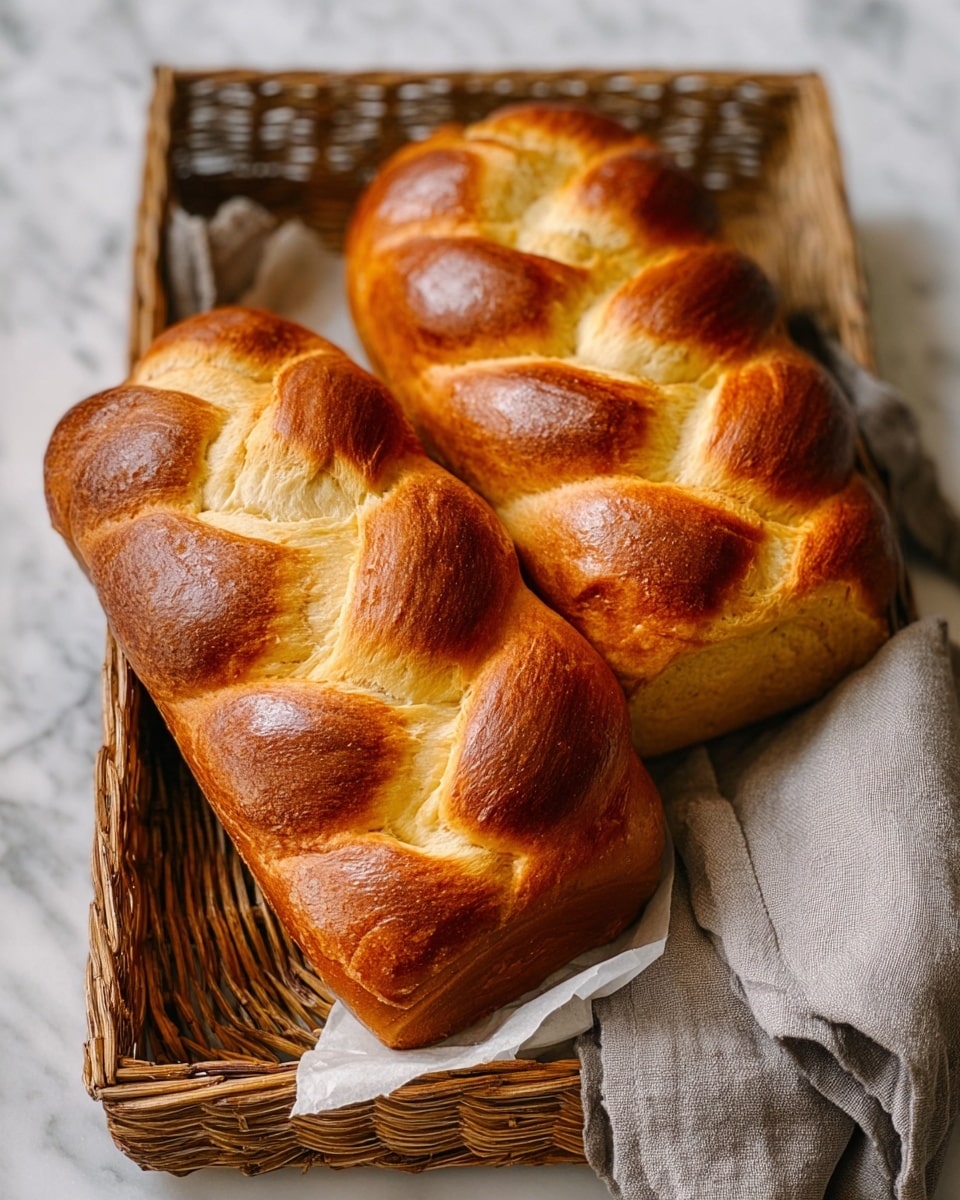
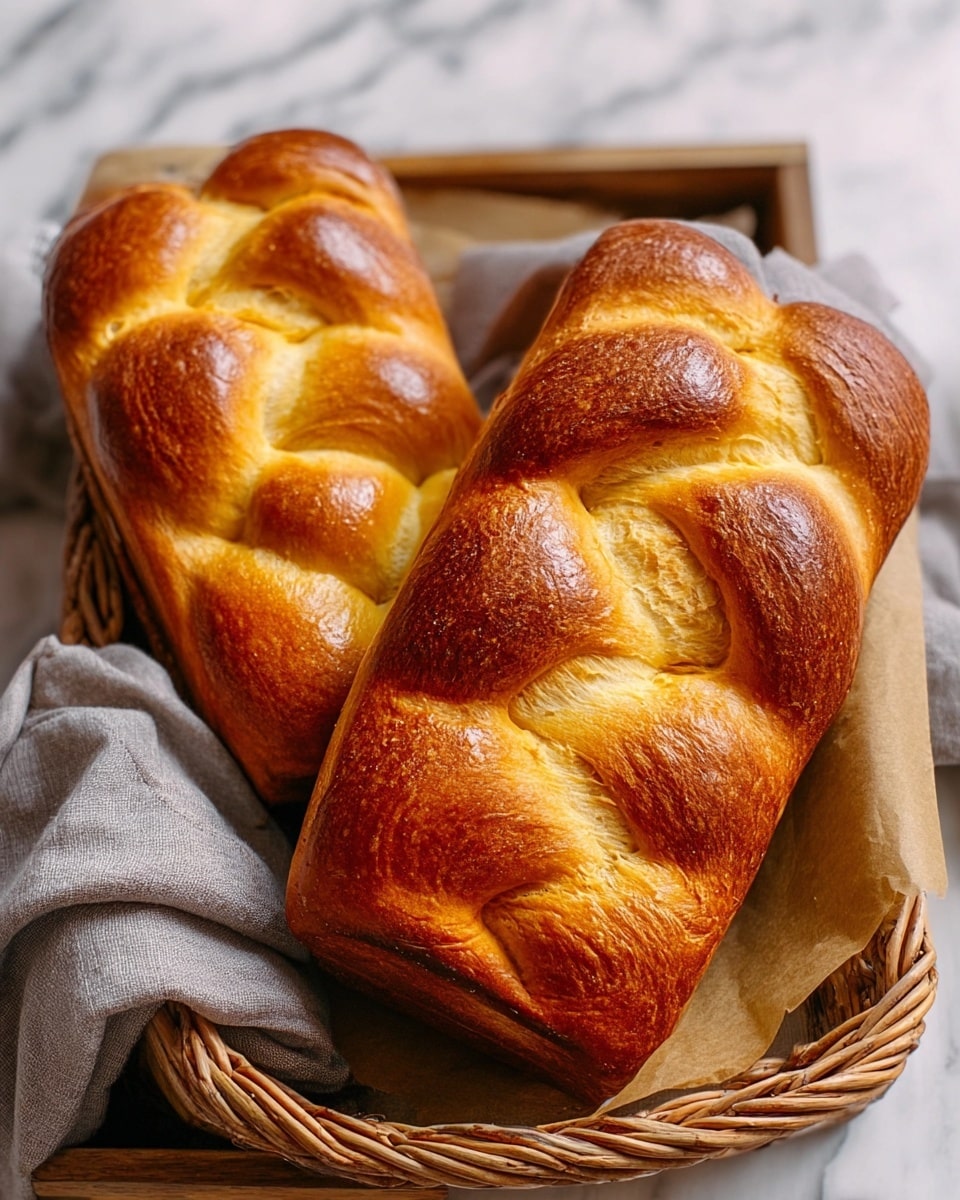
Judy’s Homemade Brioche is a rich, buttery bread with a tender crumb that’s perfect for breakfast or as a special treat. This recipe takes a little time but rewards you with a beautiful, shiny loaf that feels like a bakery creation right from your home kitchen.
Ingredients
- 6 eggs (at room temperature)
- 1 cup unsalted butter (2 sticks / ½ pound / 230g, at room temperature)
- 4 ¾ cups all-purpose flour (620g, divided)
- 1 tablespoon active dry yeast (9g)
- ¼ cup granulated sugar (50g)
- 1½ teaspoons salt (8g)
- ½ cup warm water (120 ml, about 120°F / 49°C)
- 2 teaspoons sugar (10g, dissolved in 1 tablespoon / 15 ml water)
Instructions
- Step 1: Remove the eggs and butter from the refrigerator a few hours before starting to bring them to room temperature. Prepare all other ingredients.
- Step 2: In the bowl of an electric mixer fitted with a paddle attachment, combine 1 cup (130g) of flour, yeast, ¼ cup sugar, and salt. Add warm water and mix on medium speed until well combined, about 2 minutes.
- Step 3: Add the eggs one at a time, ensuring each is fully incorporated before adding the next.
- Step 4: With the mixer on low, add 2 cups (260g) of flour gradually, about ¼ cup at a time, mixing until combined.
- Step 5: Turn off the mixer. Cut the softened butter into small cubes. Turn the mixer to medium and add the butter in six batches, waiting until each batch is fully incorporated before adding the next.
- Step 6: On low speed, add the remaining 1¾ cups (230g) of flour gradually, mixing until the dough is well combined. The dough will be very sticky at this point.
- Step 7: Use a rubber spatula to scrape the dough from the paddle and sides of the bowl. Cover the dough with a plate or plastic wrap and let it proof at room temperature (about 70°F / 21°C) for 3 hours until doubled in size.
- Step 8: After proofing, punch down the dough completely using a rubber spatula, cover, and refrigerate overnight. Remove from the fridge 3 hours before baking to allow for shaping and a second proof.
- Step 9: The next day, divide the chilled dough into two equal parts. Shape each on a lightly floured surface to fit a 9″ x 5″ loaf pan. Use a rolling pin lengthwise if needed to create a rounded top.
- Step 10: Choose to make plain loaves, braids, or buns as preferred. Place the shaped dough into greased loaf pans, cover tightly with plastic wrap, and allow to proof at room temperature for 2½ to 3 hours until doubled.
- Step 11: Preheat the oven to 350°F (180°C) while the dough proofs. Bake the loaves in the center of the oven for 37 to 40 minutes, tenting with foil if the crust darkens too quickly.
- Step 12: While baking, prepare the sugar water by dissolving 2 teaspoons sugar in 1 tablespoon water. Once the bread is done baking, immediately brush the tops with the sugar water for a shiny finish.
- Step 13: Let the bread cool in the pans for 5 minutes before transferring to a cooling rack to cool completely. This prevents the bread from falling apart.
Tips & Variations
- Use room temperature ingredients to ensure the yeast activates properly and the dough mixes evenly.
- If you want, shape the dough into individual buns or braids instead of loaves for variety.
- Tent with foil during baking if the crust is browning too fast to avoid burning.
- For an even richer flavor, substitute part of the all-purpose flour with bread flour.
Storage
Store cooled brioche in an airtight container or zip-top bag at room temperature for up to 3 days. To keep longer, freeze the bread wrapped tightly in plastic for up to 3 months. Reheat gently in the oven or toaster to regain freshness and softness.
How to Serve
Serve this delicious recipe with your favorite sides.
FAQs
Can I make this brioche without a stand mixer?
Yes, but be prepared for a workout. Kneading by hand will take longer and the dough will be sticky. Use a sturdy spatula to incorporate the butter gradually, and knead on a floured surface until smooth and elastic.
Why is the dough so sticky?
Brioche dough is naturally very soft and sticky due to the high butter and egg content. Resist adding too much extra flour to keep the bread tender. Using a rubber spatula and a mixer helps manage this texture.
PrintJudy’s Homemade Brioche Recipe

Judy’s Homemade Brioche is a rich, buttery French bread with a tender crumb and a shiny, golden crust. This two-day recipe involves mixing, gradual incorporation of butter, proofing, shaping, and baking to achieve a light and fluffy brioche loaf perfect for breakfasts, sandwiches, or decadent desserts.
- Prep Time: 25 minutes (plus several hours for eggs and butter to come to room temperature)
- Cook Time: 37 to 40 minutes
- Total Time: Approximately 28 to 30 hours (including overnight refrigeration and proofing times)
- Yield: 2 loaves (9″ x 5″ loaf pans) 1x
- Category: Bread
- Method: Baking
- Cuisine: French
Ingredients
Dry Ingredients
- 4 ¾ cups all-purpose flour (620g, divided)
- 1 tablespoon active dry yeast (9g)
- ¼ cup granulated sugar (50g)
- 1½ teaspoons salt (8g)
- 2 teaspoons sugar (10g, dissolved in 1 tablespoon/15 ml water)
Wet Ingredients
- 6 eggs (at room temperature)
- 1 cup unsalted butter (2 sticks/½ pound/230g, at room temperature)
- ½ cup warm water (120 ml, about 120 degrees F/49 degrees C)
Instructions
- Room Temperature Prep: Take out 6 eggs and 1 cup unsalted butter a few hours before starting to bring them to room temperature. Prepare all other ingredients for easy accessibility.
- Mix Dry Ingredients and Yeast: In the bowl of an electric mixer fitted with a paddle attachment, combine 1 cup flour (130g), 1 tablespoon active dry yeast (9g), ¼ cup granulated sugar (50g), and 1½ teaspoons salt (8g). Add ½ cup warm water (120 ml, ~120°F/49°C) and mix on medium speed for a couple of minutes until well-combined.
- Add Eggs Gradually: Add 1 egg at a time to the mixture, ensuring each egg is fully incorporated before adding the next.
- Add Flour in Portions: Set mixer to low speed. Gradually add 2 cups flour (260g) in ¼ cup increments. Allow the mixer to fully incorporate the flour into the dough.
- Incorporate Butter in Batches: Turn the mixer off. Cut the softened butter into small cubes. With the mixer on medium speed, add butter in 6 separate batches, waiting after each addition for full incorporation before adding more.
- Finish Adding Flour: Set the mixer to low speed. Add the remaining 1 ¾ cups flour (230g) gradually, ¼ cup at a time, until dough is well combined. The dough will be sticky and thick at this stage.
- First Proofing: Use a rubber spatula to scrape dough off the paddle and bowl sides. Cover the bowl with a plate or plastic wrap and proof at room temperature (about 70°F/21°C) for 3 hours until doubled in size.
- Deflate and Refrigerate: Punch down the dough thoroughly with a rubber spatula. Cover again and refrigerate overnight until ready for Day 2 shaping.
- Divide and Shape Dough: Remove dough from refrigerator. Divide into two equal pieces. On a lightly floured surface, shape the dough to fit two 9″ x 5″ loaf pans. Use a rolling pin if needed to form a rounded top by rolling lengthwise like a cigar.
- Optional Shaping: Shape the dough into plain loaves, braids, or individual buns depending on your preference.
- Second Proofing: Cover each loaf pan tightly with plastic wrap. Proof at room temperature for 2½ to 3 hours until doubled in size.
- Preheat and Bake: Preheat the oven to 350°F (180°C). Bake loaves in the center rack for 37 to 40 minutes. If crust browns too quickly, tent with foil.
- Prepare Sugar Water Glaze: While baking, dissolve 2 teaspoons sugar in 1 tablespoon water.
- Glaze and Cool: Immediately upon removal from the oven, brush the tops of the loaves with sugar water to create a shiny crust. Let bread cool in pans for 5 minutes before removing to a cooling rack.
- Storage: Once completely cooled, store brioche in an airtight container or zip-lock bag to maintain freshness.
Notes
- Room temperature eggs and butter ensure better dough incorporation and texture.
- The dough will be very sticky — this is normal for brioche.
- Shaping the dough like a cigar before placing it in pans helps achieve the classic rounded brioche top.
- Tenting with foil during baking prevents over-browning.
- Proof times may vary slightly depending on room temperature.
- This brioche freezes well after baking; slice before freezing for easy use.
Keywords: brioche, homemade brioche, French bread, buttery bread, yeast bread, enriched dough, breakfast bread